-
$9.3B of economic activity
In 2025, Google helped provide $9.3 billion of economic activity for tens of thousands of Oregon businesses, nonprofits, publishers, creators, and developers
-
282,000 Oregon businesses
More than 282,000 Oregon businesses used Google’s tools at no cost to receive phone calls, bookings, reviews, requests for directions, or other direct connections to their customers
-
$7B investment in Oregon
Since The Dalles, Oregon data center was opened in 2006, Google has invested more than $7 billion in the state1
Investment methodology now reflects total data center investment (construction, server and networking infrastructure). Learn more. -
$35M+in philanthropic and social impact funding
Since 2004, Google and Googlers have given more than $35 million in funding (cash grants, social impact funding, employee donations, and gift match) to organizations and nonprofits in Oregon
-
28,000+ volunteer hours
Since 2008, through Google.org, Google employees volunteered more than 28,000 hours with nonprofits and schools
-
$8M+ of Ad Grants to nonprofits
In 2025 alone, Google.org provided more than $8 million worth of donated search ads to Oregon nonprofits through the Google Ad Grants program


$9.3Bof economic activity
In 2025, Google helped provide $9.3 billion of economic activity for tens of thousands of Oregon businesses, nonprofits, publishers, creators, and developers
282,000 Oregon businesses
More than 282,000 Oregon businesses used Google’s tools at no cost to receive phone calls, bookings, reviews, requests for directions, or other direct connections to their customers
$7B investment in Oregon
Since The Dalles, Oregon data center was opened in 2006, Google has invested more than $7 billion in the state1
Investment methodology now reflects total data center investment (construction, server and networking infrastructure). Learn more.
$35M+ in philanthropic and social impact funding
Since 2004, Google and Googlers have given more than $35 million in funding (cash grants, social impact funding, employee donations, and gift match) to organizations and nonprofits in Oregon
28,000+ volunteer hours
Since 2008, through Google.org, Google employees volunteered more than 28,000 hours with nonprofits and schools
$8M+ of Ad Grants to nonprofits
In 2025 alone, Google.org provided more than $8 million worth of donated search ads to Oregon nonprofits through the Google Ad Grants program
Featured businesses
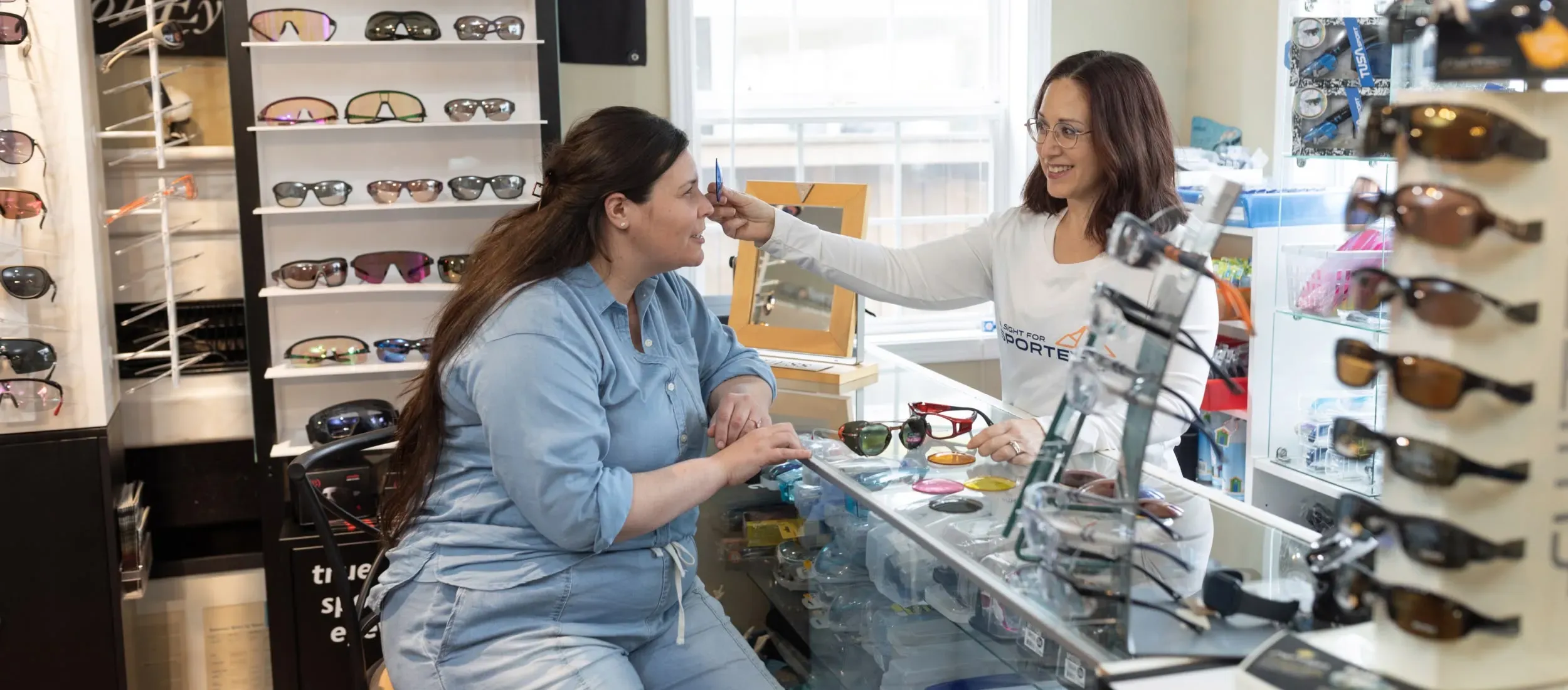
A Sight for Sport Eyes
When her brother suffered permanent eye damage from a baseball injury, Shannen Knight recognized a critical gap in athletic safety. “Everybody wears helmets and knee pads, but very few sports require protective eyewear,” she says. She channeled her experience into a college entrepreneurship project focused on prescription sports eyewear, and then launched A Sight for Sport Eyes in 1996. Rooted in West Linn, the business now operates largely online, bringing specialized glasses to customers worldwide. “Hearing from customers that they could finally see the fish on vacation with their new dive mask … that’s what keeps us going,” Shannen says.
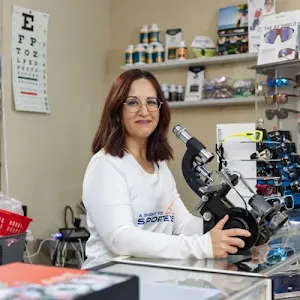
“Gemini is like a business partner that can give me advice. It might tell me, ‘You could get this product for half the price.’ It’s really helpful for that.”
Shannen runs Google Ads Shopping campaigns to capture niche keywords and deliver a 15x return on her ad spend. She leans on AI to make sure those clicks convert. When a recent platform migration caused a drop in sales, she tracked cart abandonment in Google Analytics, then fed that data into an AI assistant. She learned customers were confused by variable shipping costs; switching to a flat rate boosted conversions by an impressive 55 percent. Shannen uses Gemini to merge spreadsheets, write FAQs, and draft personable customer emails. She even taps Gemini’s Deep Research to summarize clinical data for her blog posts, in one case using it to evaluate trendy lensless pickleball goggles to benchmark their safety against traditional standards. “Gemini is like a business partner that can give me advice,” Shannen says. “If a company tries to sell me a product, I ask Gemini about it. It’s good at telling me, ‘You could get this for half the price’ or ‘You could do this yourself.’ It’s really helpful for that.” Using Gemini, Shannen reclaims hours per week and can spend more time on her passions: educating athletes, volunteering, and community involvement. Next up, with help from Gemini: planning her store’s 30-year anniversary.
Products
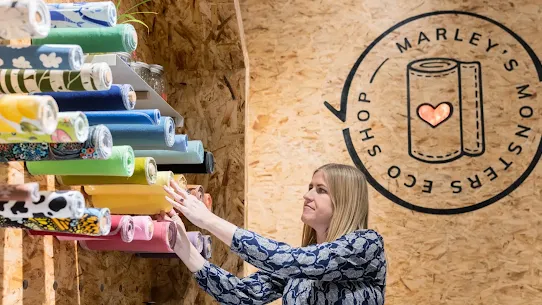
Marley’s Monsters
Rumpl makes blankets from the warm and sturdy materials that used to be only for sleeping bags. Founder Wylie Robinson and a friend got the idea while huddled overnight in their van during a surf and ski trip on the Pacific coast: “We wondered why everyday blankets hadn’t taken a cue from outdoor gear to leverage performance textiles,” Wylie says. A few experiments with a sewing machine later, Rumpl was born. Today, Portland-based Rumpl offers an entire range of blankets, towels, and other accessories made from 100 percent post-consumer recycled materials. They’ve shipped their products to all 50 states and seven continents, including Antarctica. And as a certified B Corporation, raising their accountability and lowering their environmental impact have always been the core of their philosophy. “It’s all about doing things the right way for your employees, your partners, and the planet,” Wylie says.
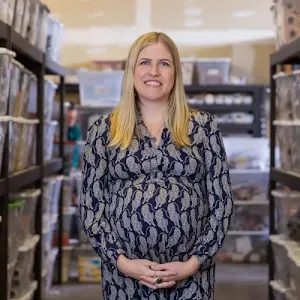
“Google Analytics informs a lot of our decision-making. It’s the pulse of a lot of different aspects of our business.”
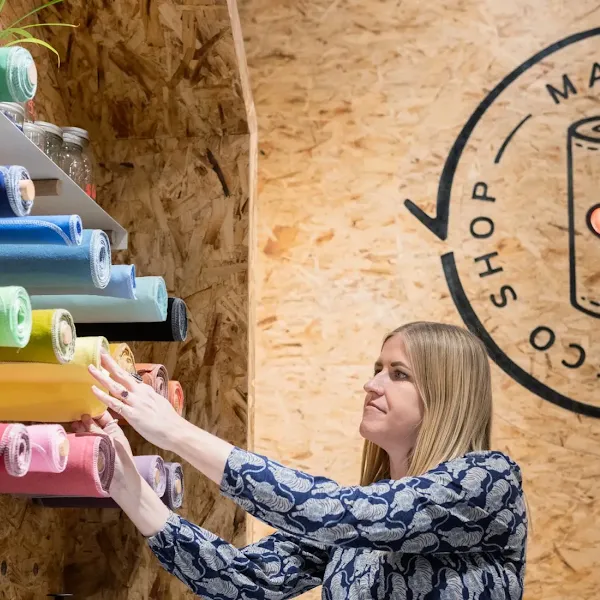
To reach customers, Marley’s Monsters runs Google Ads including Performance Max campaigns. “20 percent of our new customers come through Ads,” says Grace. “It’s really easy to schedule promotions, especially through the Shopify integration.” The company’s Google Business Profile directs customers to the retail shop and lets them know that products are manufactured locally, while photos help customers understand concepts like the refill bar, where they can fill bottles with bulk shampoo or cleaners. The team uses Google Workspace to collaborate, and AI-powered Gmail features like Tabbed Inbox and Smart Compose to boost efficiency. “They’re helpful when you’re trying to go through emails quickly, which I often am,” Sarah says. To date, the company’s UNpaper towels have diverted 15 million single-use paper towel rolls from landfills; they also minimize waste in their own manufacturing. “Instead of just projecting sustainability, we’re taking ownership over our own practices,” says Sarah. “As a sustainable product manufacturer, being local and low- to zero-waste is really important to us.”

Rumpl
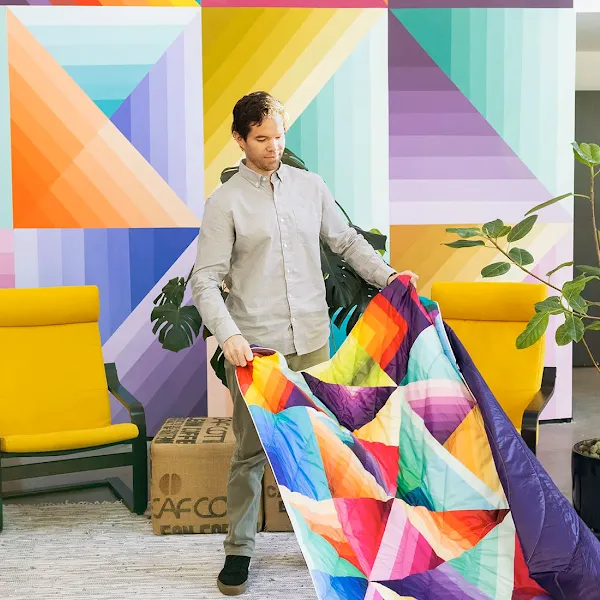
Rumpl makes blankets from the warm and sturdy materials that used to be only for sleeping bags. Founder Wylie Robinson and a friend got the idea while huddled overnight in their van during a surf and ski trip on the Pacific coast: “We wondered why everyday blankets hadn’t taken a cue from outdoor gear to leverage performance textiles,” Wylie says. A few experiments with a sewing machine later, Rumpl was born. Today, Portland-based Rumpl offers an entire range of blankets, towels, and other accessories made from 100 percent post-consumer recycled materials. They’ve shipped their products to all 50 states and seven continents, including Antarctica. And as a certified B Corporation, raising their accountability and lowering their environmental impact have always been the core of their philosophy. “It’s all about doing things the right way for your employees, your partners, and the planet,” Wylie says.

“Google Ads are our highest return on ad spend (RoAS) of all the campaigns we run. We immediately saw an uplift in ad performance and efficiency.”
As Rumpl makes the world a better, cozier place, Google tools are helping them grow. Machine learning suggestions in Google Ads let them identify when customers are most likely to make a purchase, and maximize the dollar value of every ad their team creates. “Google Ads are our highest return on ad spend (RoAS) of all the campaigns we run. We immediately saw an uplift in ad performance and efficiency,” Wylie says. They trust Google Analytics to reveal helpful insights about their customers and how they find Rumpl. “Other business intelligence tools are so murky, but Google Analytics is so easy to use,” Wylie says. “Sometimes we’ll see random geographic areas light up because we were featured on the local news, and suddenly we'll become aware of new consumer interest that is actionable for our sales and marketing teams.” Wylie is especially grateful for the 31 people working at Rumpl today: ”We wouldn’t be here without their commitment,” he says. And to think it all started with an idea from the back of a van.
Products
Goumi
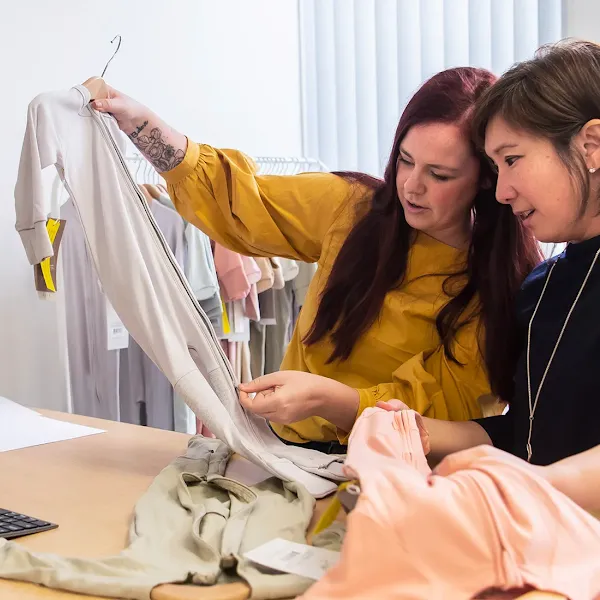
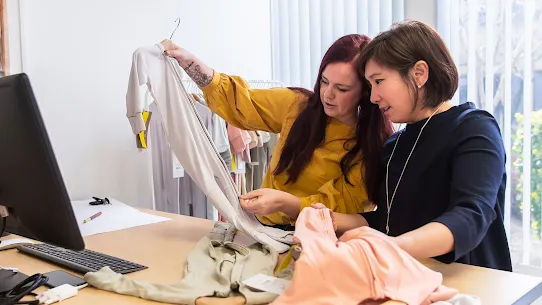
While on maternity leave from her corporate marketing job, Lili Yeo noticed her newborn daughter's mittens, socks, and booties were ill-fitting and constantly falling off. Filled with love for her tiny child, Lili thought all babies deserved better, including hard-to-fit preemies. In 2011, she and fellow mom Linsey Ebuen co-founded Goumi, named for a small red berry that thrives in poor soil. “Wherever you find a goumi bush, it will help everything around it,” Lili says. “That's our plan too: From small things come mighty changes.” Goumi sells organic, sustainable baby clothing that’s attractive, and fits well. Lili uses Google Ads to reach mothers searching for nursery essentials, and Google Analytics to learn which of her business webpages are running efficiently or need improvements.

“Google products will continue to help us be the best us.”
By 2019, the company began shifting its focus from B2B wholesale to a B2C strategy aimed at engaging millennial mothers who want to buy from small shops. Lili redesigned Goumi’s e-commerce website, using Google Analytics as a real-time mirror to continually refine the flow for their audience. In March 2020, just as COVID-19 hit, Lili appeared on the reality show “Shark Tank.” Despite the pandemic, business boomed. “What had been an exceedingly high return on our Google Ads campaigns increased exponentially,” Lili says. “Everything lifted with [the TV] exposure.” With more parents shopping online, Goumi is on track to achieve 400-percent year-over-year growth, with plans to develop a magazine for parents. “Google products will continue to help us be the best us.” Their non-profit Goumi Giving donates 10 percent of profits to charitable causes and provides mitts and booties to neonatal ICUs, N-95 masks to local physicians, and support for women rescued from human trafficking. “Empowering our smallest ones is why we began, and why we’re still here,” Lili says.
Products

Full Leaf Tea Company
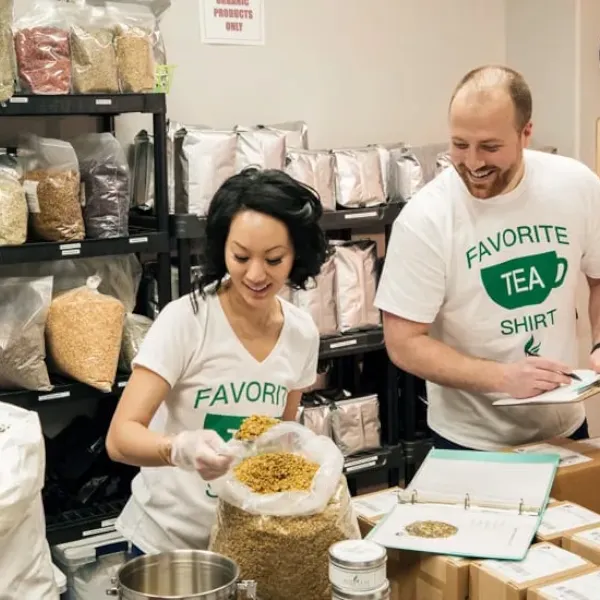
For die-hard coffee drinkers Matt and Lisa Hammonds, running on caffeine had lost its appeal. They switched to drinking herbal teas, sharing their passion for "tea and conversation" with family and friends. That gave this husband-and-wife team an idea. "We thought e-commerce and tea would be a good combination," Matt says. Neither had e-commerce experience, but that didn’t stop them. “We used Google to do our research and figure out how to build our company from scratch." They cofounded Full Leaf Tea Company in 2014, selling herbal and organic loose-leaf teas, wellness blends, Japanese matcha, and accessories from their virtual storefront. They blend, package, and distribute all of their products from their Southern Oregon facility.
“Without the web, we wouldn't be here. It allowed us to create a business and build something with literally no capital.”
Marketing high-quality teas from around the world, along with "the tea experience," proved to be a winning blend. Google business tools helped the company more than triple their sales in 2016. They use AdWords, Google's advertising program, to attract tea lovers and former coffee fanatics. "AdWords accounts for 40 percent of our traffic and 70 percent of sales," Matt says. Google Analytics lets them see their customer activity in real time and measure the performance of their website, blog, social media, web ads, and email marketing campaigns. And Google Webmaster Tools help them deliver a positive customer experience.
Full Leaf Tea Company has launched a wholesale division and is expanding into retail locations. "We started with $100 to our name, a $2,500 credit card, and no capital to grow," Matt says. "We've grown the company by investing our sales back into digital advertising." They give back to their local community by working with a vocational rehabilitation agency to provide job opportunities for people with special circumstances or disabilities. With 10,000 customers and a growing fan base of tea lovers, the company is poised for greater success. "We have aggressive growth plans," Matt says. "Google products have shaped our company from a small mom-and-pop operation into something that could be really huge."
Products

The Dalles
Data centers are what keep the internet up and running. Our employees at The Dalles data center work to keep Google Search, Gmail, YouTube, and many other Google applications operational, enabling Google to provide fast and reliable services around the clock to millions of people. Learn more about Google data centers.
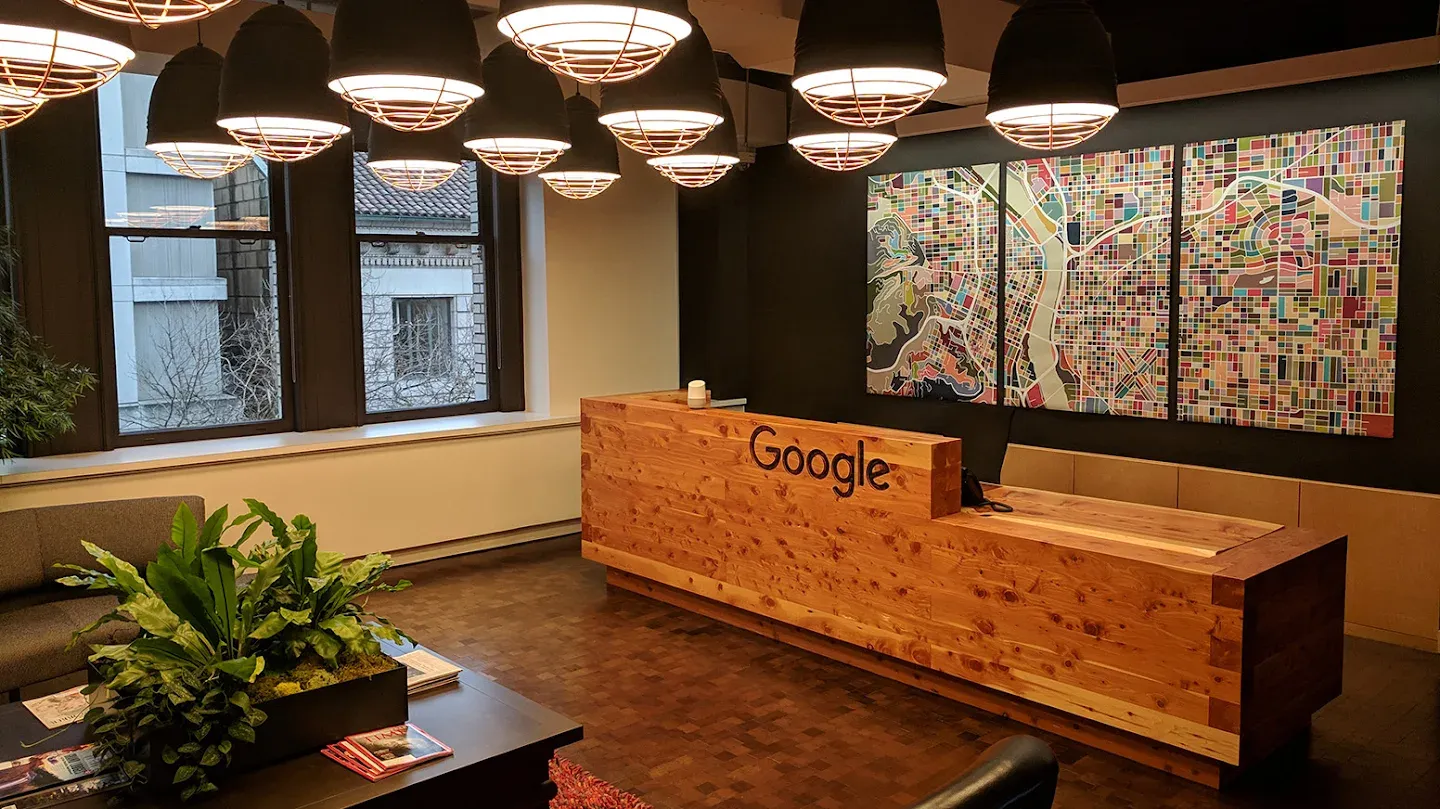
Portland
1To provide a more complete picture of Google’s economic investment, the 2025 U.S. Economic Impact Report has updated its historical investment reporting methodology which previously focused primarily on physical data center construction. However, physical builds represent only the first component of our long-term commitment to our investments which also include applicable server and networking infrastructure capital expenditure. The current year methodology now includes our historical investment in data center construction, server and networking infrastructure.