
-
$7.7B of economic activity
In 2025, Google helped provide $7.7 billion of economic activity for tens of thousands of Nevada businesses, nonprofits, publishers, creators, and developers
-
168,000 Nevada businesses
More than 168,000 Nevada businesses used Google’s tools at no cost to receive phone calls, bookings, reviews, requests for directions, or other direct connections to their customers
-
$6B investment in Nevada
Since the Henderson, Nevada data center was built in 2019, and the Storey County, Nevada data center was built in 2021, Google has invested more than $6 billion in the state1
Investment methodology now reflects total data center investment (construction, server and networking infrastructure). Learn more. -
$4M+ in philanthropic and social impact funding
Since 2008, Google and Googlers have given more than $4 million in funding (cash grants, social impact funding, employee donations, and gift match) to organizations and nonprofits in Nevada
-
8,000+ volunteer hours
Since 2016, through Google.org, Google employees volunteered more than 8,000 hours with nonprofits and schools
-
$5M+ of Ad Grants to nonprofits
In 2025 alone, Google.org provided more than $5 million worth of donated search ads to Nevada nonprofits through the Google Ad Grants program


$7.7B of economic activity
In 2025, Google helped provide $7.7 billion of economic activity for tens of thousands of Nevada businesses, nonprofits, publishers, creators, and developers
168,000 Nevada businesses
More than 168,000 Nevada businesses used Google’s tools at no cost to receive phone calls, bookings, reviews, requests for directions, or other direct connections to their customers
$6B investment in Nevada
Since the Henderson, Nevada data center was built in 2019, and the Storey County, Nevada data center was built in 2021, Google has invested more than $6 billion in the state1
Investment methodology now reflects total data center investment (construction, server and networking infrastructure). Learn more.
$4M+ in philanthropic and social impact funding
Since 2008, Google and Googlers have given more than $4 million in funding (cash grants, social impact funding, employee donations, and gift match) to organizations and nonprofits in Nevada
8,000+ volunteer hours
Since 2016, through Google.org, Google employees volunteered more than 8,000 hours with nonprofits and schools
$5M+ of Ad Grants to nonprofits
In 2025 alone, Google.org provided more than $5 million worth of donated search ads to Nevada nonprofits through the Google Ad Grants program
Featured businesses
Aroma Retail
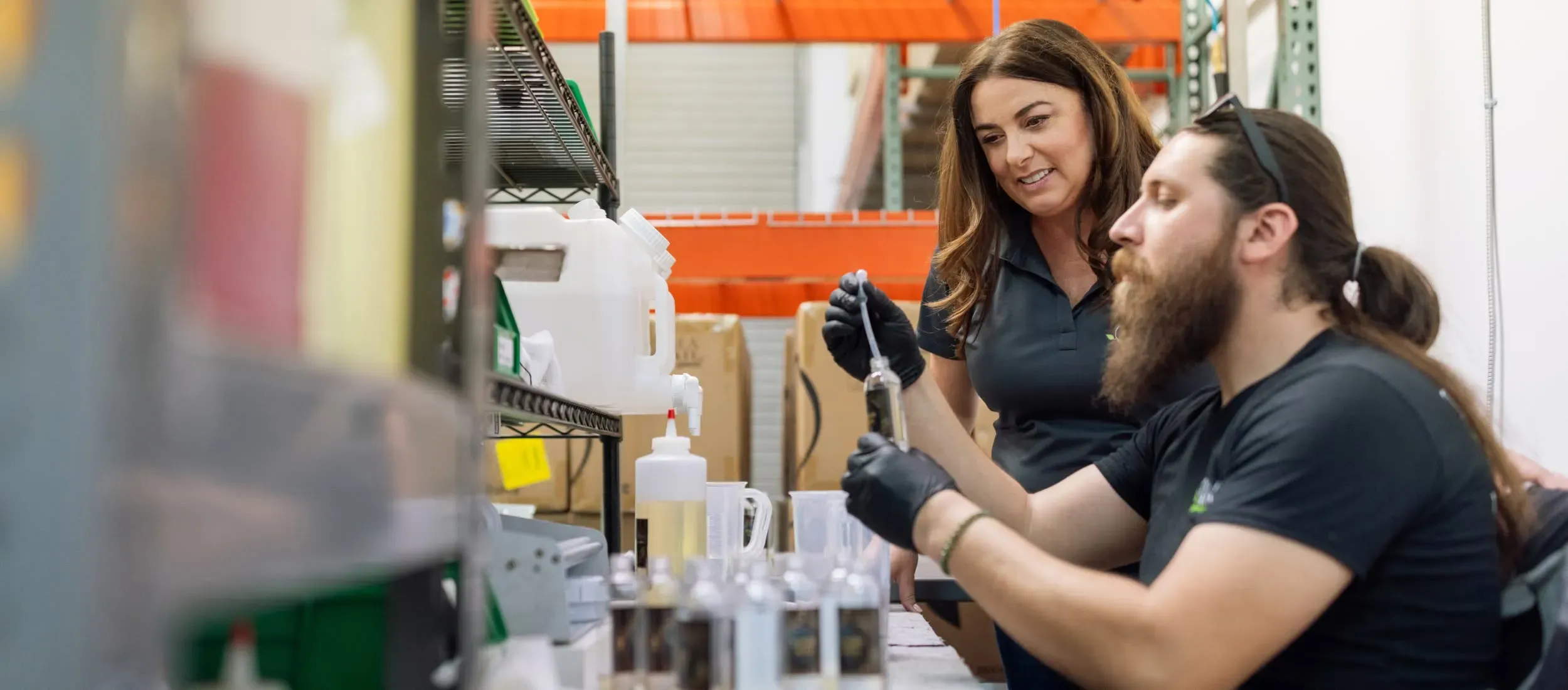
In 2017, Cristina Reding, a former ballet dancer and banking VP, and her husband, Jim, who’d already been working in the scenting industry, started making candles in their kitchen that evoked the signature fragrances of famous Las Vegas resorts. The concept evolved into Aroma Retail, a direct-to-consumer business selling aroma diffusers and pure-grade, allergen-free fragrance oils. They now operate out of a 13,000-square-foot warehouse and interactive “Smelly Bar” right off the Las Vegas Strip. From the start, the marketing team reached customers with Google Ads, which now drives 33 percent of sales. Performance Max campaigns, a key part of that strategy, have lifted their ROAS from 3x to 5x. “I save at least two hours a day versus doing everything manually,” notes Marketing Coordinator Isabella White. “We can upload assets in bulk and run ads across YouTube, Search, and Display, and our team doesn't have to make daily tweaks.”
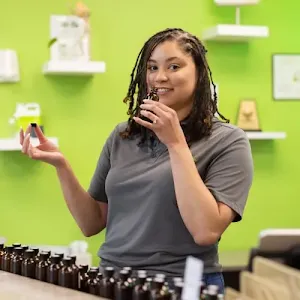
“Gemini and Nano Banana have decreased our content creation time by 50 percent, allowing us to meet rapid demands of new campaigns each month.”
Isabella and Director of Marketing Mike Hewitt use Google Analytics to quickly surface insights about performance, which they can do by simply asking the dashboard questions. Knowing a certain landing page converts well might then lead them to adjust the layout of a different page. Gemini and Nano Banana help them develop graphics and promotional videos, including a recent clip featuring their scent machine in comical settings. “We feature a different scent every month, and do a full promo video for it,” Mike says. “Our graphic designer uses Nano Banana for that, and it’s reduced his production time by 50 percent. So it’s more than doubled our productivity, and we can create original content every day.” This approach gives them more time to partner with the Vegas Veterans Hockey Foundation, in honor of Jim’s military service, and to prioritize the eco-friendly practices that earned them the first green business certification in Southern Nevada.
Products
TruckHouse
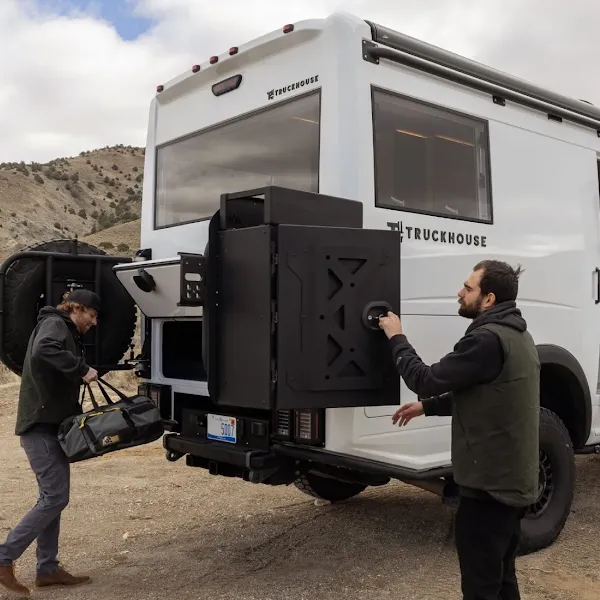
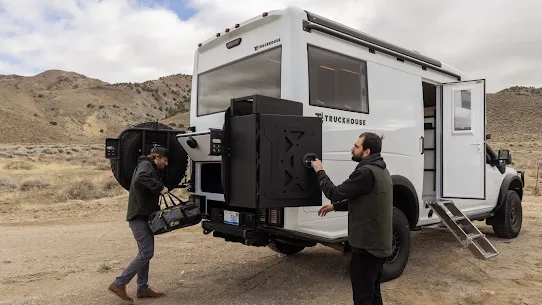
Avid skier Matt Linder was ready for a modern version of the 1980s 4x4 camper he drove to chase snow, so he decided to build one. In 2019, he partnered with Nico Monforte to design a high-end, off-road vehicle, hardy enough for any adventure but with plenty of creature comforts. Eighteen months later, the first TruckHouse BCT hit the road. “We use super-lightweight finishes inspired by yacht or aerospace engineering to let people get further off the grid,” Matt says. “We’re trying to create a home away from home that enables you to open your front door and be at your destination, whether it’s a backcountry ski or rock-climbing area or hiking trail.” TruckHouse uses Google Workspace to help keep operations humming. With almost all components made on site, “there’s so much data here,” Matt says. “Workspace helps us keep track of our computer-aided design and manufacturing data, design files, inventory, spreadsheets, and documents.”
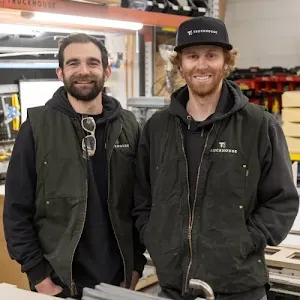
“We all wear so many hats, but having Google Workspace with Gemini has enabled our office staff to work more efficiently and free up some time.”
Google Workspace with Gemini helps the staff work efficiently, and makes tracking inventory easier. “It's able to pull up part numbers or reference multiple spreadsheets at once, which would otherwise take one of us clicking through to find it,” Matt says. The company focuses their marketing efforts on building the brand. Matt estimates that 30 percent of their customers come from Google Search, and Google Analytics tracks website traffic, SEO performance, and user demographics so TruckHouse can reach the right audience. Search also brings up TruckHouse’s Google Business Profile, which puts information like the company’s phone number and address front and center. “People who are going to buy a vehicle from us come to our facility before they order so they can touch it and feel it,” notes Matt. The made-to-order TruckHouse vehicles are sold out through 2025; to meet demand, the company plans to move to a larger facility and double their staff.

Star Village Coffee

As a boy, Joel Zuniga moved with his family from downtown Reno to the remote mountains of Nevada’s Hungry Valley, where they lived among fellow members of the Reno-Sparks Indian Colony. As an adult, after a chance encounter with a coffee harvest on a visit to Costa Rica, Joel returned home, learned to roast beans in the artisanal spirit of the Great Basin, and co-founded Star Village Coffee with his twin brother, Josh, in 2018. Today Star Village sells world-class coffee online and wholesale, and in their Reno cafe they blend it with indigenous ingredients, as in their pine nut spice latte with handmade pine nut milk. For Joel, coffee is both a passion and a way to practice “Rezonomics,” the philosophy of investing time, talent, and love back into the circle of tribal life.

“The fact that we can all access Google Docs and communicate with the team in almost real time is one of those simple things that’s just so extremely helpful.”
Joel and his team use Google Workspace to update orders and inventory in real time, so the roastery can get orders out faster and fresher. Google Analytics shows them where their e-commerce pages can be better optimized to increase sales, and their Google Business Profile gives customers easy directions to their retail cafe. “We saw requests for directions shoot up 129% this month, which tells us we’re having a good month,” Joel says. Star Village Coffee serves over 20,000 customers annually and roasted over 26,000 pounds of coffee last year, an increase of 40 percent year-over-year. Revenue is growing 30 percent annually, and Star Village recently secured contracts to provide its high-grade specialty coffees to a well-known portfolio of casinos. Star Village employs local native residents and hosts tribal students each month, teaching them about roasting, entrepreneurship, and optimism. “If you’re curious about wanting to start a business yourselves, there's a place for you,” Joel says. “If we can invest in ourselves and invest in one another, we can truly uplift our own people.”

Michael and Son’s Jewelers
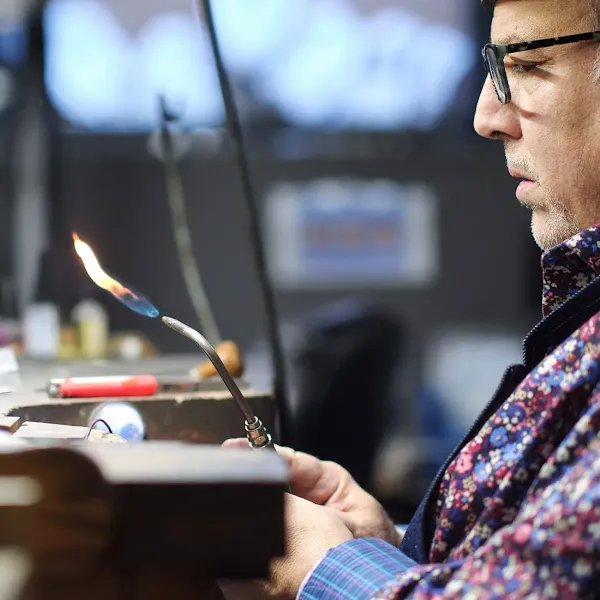
Six months after owner David Lorenz moved Michael and Son’s Jewelers to a 7,500-square-foot store in midtown Reno, the city began a two-year construction project on his street. Then came the pandemic. Yet the store, founded by his father in 1983 and purchased by David in 1990, continued to grow. “We’ve just had our two best years,” David says. “We’ve increased our customer base 20 percent, and we’re projecting high revenue this year, which is impressive in our industry for a small family-owned business.” David credits this success to an emphasis on great customer service and omnichannel marketing involving direct mail, email, and online advertising. “I’ve always embraced technology as a way to help us reach customers,” he says, “because we’re competing not only with local brick-and-mortar stores, but with the internet.”
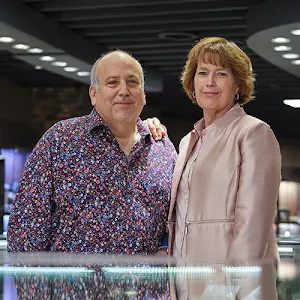
“Approximately 50 percent of our new customers are finding us through our Google Business Profile.”
To drive more traffic to their website, the company started running Google Ads in 2019. “Our customers research online and then finalize their purchases in the store,” David explains. The strategy paid off: over the last two years, revenue has grown an average of 25 percent annually. “Thirty percent of new customers have come through Google Ads,” he says. In 2021, the company launched a Google Business Profile that has garnered a 4.9-star rating from nearly 500 reviews and generates about half of the store’s new customers. “When we ask people how they heard about us,” he says, “if it wasn’t through word of mouth or referral, it was through our Business Profile.” Looking forward, David plans to increase his online advertising budget and streamline operations with Google Workspace tools such as Gmail, Calendar, and Drive. “I see us only going forward,” he says. “In the 33 years we’ve owned this company, we’ve always had positive growth. We don’t just sell a commodity. We create memories.”

Tea and Whisk

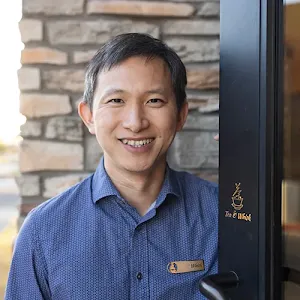
“I was so surprised by the number of sales that came from Google Ads. I looked at the data after six, seven, eight months–it was really incredible!”
Leo’s Google Business Profile helps customers find the store: Three to five people a day use it to contact him. In 2020, he began using Google Ads to find more future tea lovers for both in-store classes and website sales. “I use Google Analytics to look at the sales that come from Google Ads, and it always beats the organic sales,” Leo says. Google Analytics also helps Tea and Whisk understand its international clientele in places like Ireland, where Leo has a small but growing contingent of fans. Website sales have increased more than 1500 percent since 2019, and now account for 60 percent of the company’s business. Next up for Tea and Whisk is a possible membership plan that incorporates workshops, special seasonal offerings, and even a tea farm tour. “I want to show my customers how the leaves are cleaned, how they’re roasted–because they have become so passionate about tea,” Leo says. “It’s our life now.”
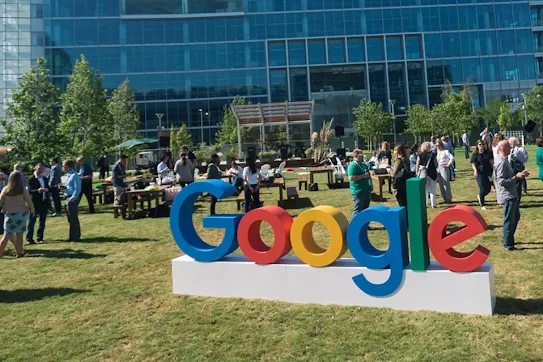
Henderson
Storey County
1To provide a more complete picture of Google’s economic investment, the 2025 U.S. Economic Impact Report has updated its historical investment reporting methodology which previously focused primarily on physical data center construction. However, physical builds represent only the first component of our long-term commitment to our investments which also include applicable server and networking infrastructure capital expenditure. The current year methodology now includes our historical investment in data center construction, server and networking infrastructure.