-
$1.3B of economic activity
In 2025, Google helped provide $1.3 billion of economic activity for thousands of Maine businesses, nonprofits, publishers, creators, and developers
-
100,000 Maine businesses
More than 100,000 Maine businesses used Google’s tools at no cost to receive phone calls, bookings, reviews, requests for directions, or other direct connections to their customers
-
$1M+ of Ad Grants to nonprofits
In 2025 alone, Google.org provided more than $1 million worth of donated search ads to Maine nonprofits through the Google Ad Grants program


$1.3B of economic activity
In 2025, Google helped provide $1.3 billion of economic activity for thousands of Maine businesses, nonprofits, publishers, creators, and developers
100,000 Maine businesses
More than 100,000 Maine businesses used Google’s tools at no cost to receive phone calls, bookings, reviews, requests for directions, or other direct connections to their customers
$1M+ of Ad Grants to nonprofits
In 2025 alone, Google.org provided more than $1 million worth of donated search ads to Maine nonprofits through the Google Ad Grants program
Featured businesses
Lucerne Farms
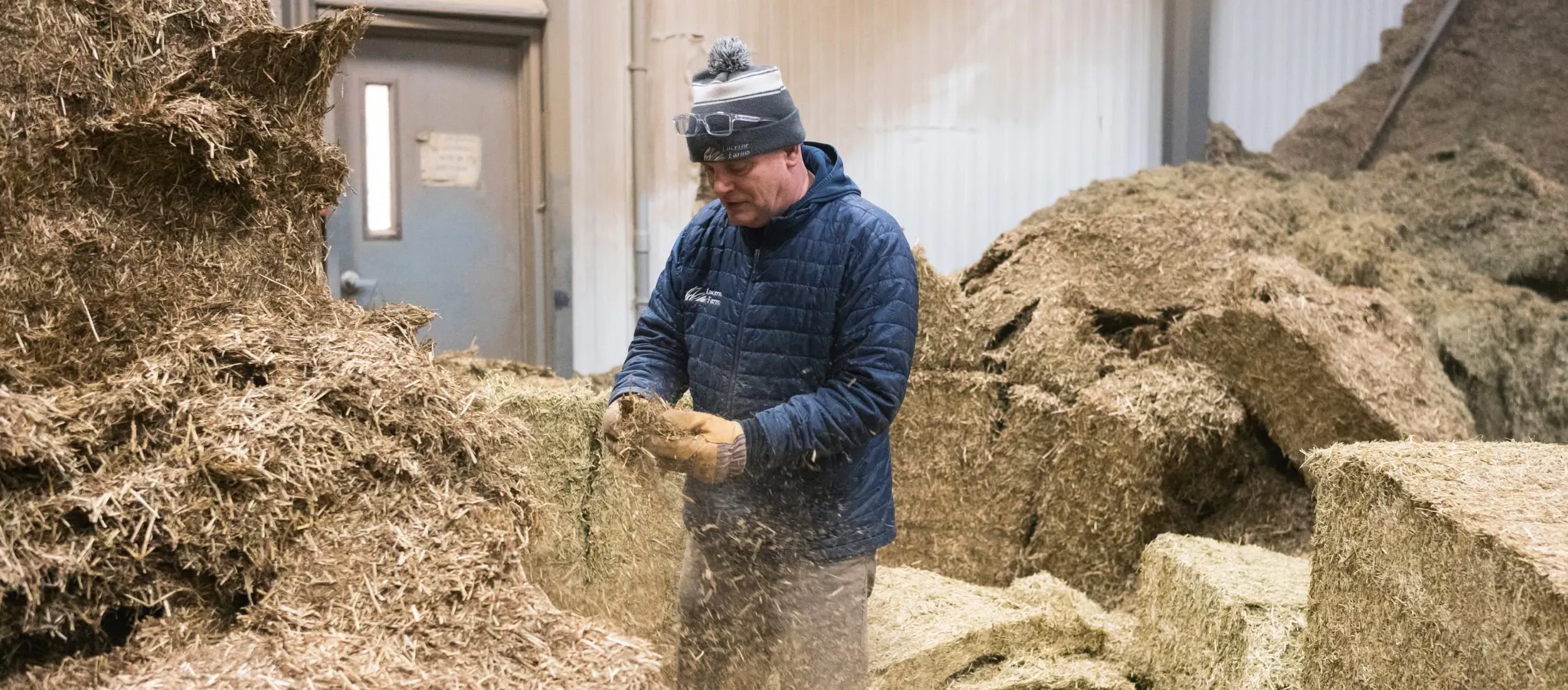
Founded in 1989, Lucerne Farms produces high-quality horse forage feed, chicken coop bedding, and garden mulch in far northern Maine. “We’re slugging out a living here in the middle of nowhere,” says Rich James, who took the reins of his family’s industrial farm when his father passed away in 2005. “Every summer, we harvest between 6,500 and 7,500 acres of hay and straw,” says Rich, who employs 15 workers year-round and 27 during summer harvest. He manages the entire production cycle, from seeding to packaging to selling his products. He says digital tools have helped expand their reach into 2,000+ garden centers and retail stores nationwide. “We take a lot of pride in knowing how to use those tools, which help us stay relevant in these ever-changing marketplaces.”
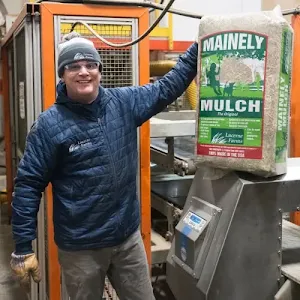
“I can be in the fields working, knowing Google Ads is marketing us every hour of the day.”
Rich uses Google Ads to market to both B2B and B2C audiences, engaging business owners, equestrians, and “lifestyle farmers” who grow vegetables, raise chickens, and till gardens as a hobby. Google Ads helps him reach his niche audiences by geographic location, which has driven 25-to 30-percent year-over-year growth in customer conversions. Now, Google AI tools are helping Rich run operations even more productively. “We plugged all our New England stores into Gemini and asked it to develop the most efficient sales routes from store to store,” he recounts. Gemini mapped out three weeks of travel to around 400 stores, seven to eight a day, which they then transferred to Google Maps. “So our sales reps’ whole days are planned out by AI,” he adds. “That’s a great way to maximize our time.” Gemini even had suggestions for the best time of day to visit each store. Rich’s advice for other businesses? “You're never too small or geographically challenged to use any and all technology that's available to you.”
Products
ChappyWrap
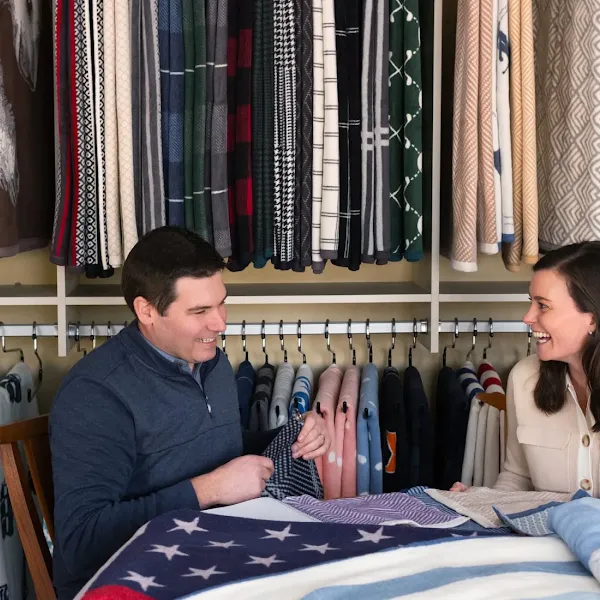
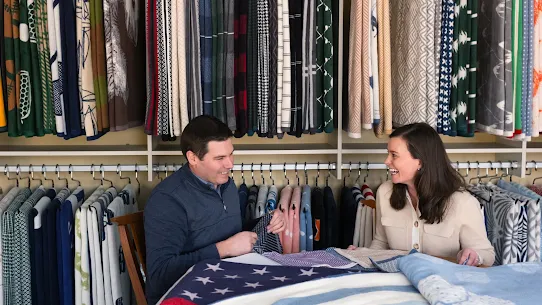
ChappyWrap President and CEO Christina Livada recalls the beloved blanket that inspired the brand–it was passed down through her family and coveted for its size and coziness. “Everyone would be running to the couch on movie night to get the good blanket,” she remembers. “We looked for years to replace it and could never find one that matched its quality. It became a running joke in our family that we needed to start a blanket company.” So Christina’s mother, Beth LaSala, launched ChappyWrap in 2006, and Christina joined full time 12 years later, leaving her career as a speech pathologist. In 2019, they relaunched ChappyWrap with a focus on e-commerce, and now Christina runs the business with her husband, Drake Livada, and nine employees. They sell their American-designed blankets through their website and brick-and-mortar stores nationwide.

“Google Analytics helps us understand what a new customer wants to see, what they’re going to respond to, and the easiest entry point into our brand.”
ChappyWrap began using Google Ads in 2020. “We've seen just incredible success on conversions,” says Drake, ChappyWrap’s director of sales and operations. “Our Google Shopping campaigns are super successful, and Performance Max campaigns really build our brand awareness.” Today, Google Ads account for about 30 to 40 percent of ChappyWrap’s sales, and they helped grow revenue by 600 percent in the four years following the brand’s relaunch. To optimize Google Ads and analyze customer behavior, ChappyWrap uses Google Analytics 4, which has allowed them to pinpoint their hero products (herringbone blankets, in particular) for new customer acquisition. The fully remote team also uses Google Sheets daily for their benchmarking KPI tool, which they call the team’s “North Star,” and Gemini to summarize material before meetings and for notes and key takeaways afterwards. “As we continue to grow,” Drake says, “we’re going to stay focused on our core product and our core mission, which is spreading comfort with the best blankets in the world.”
Maine Fly Company
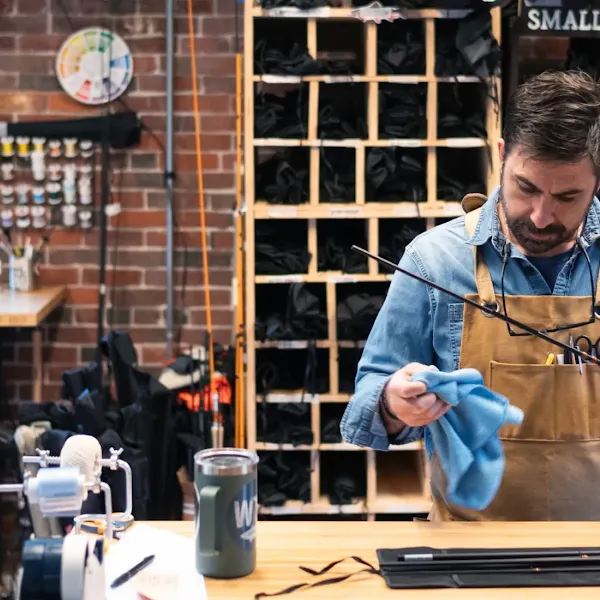
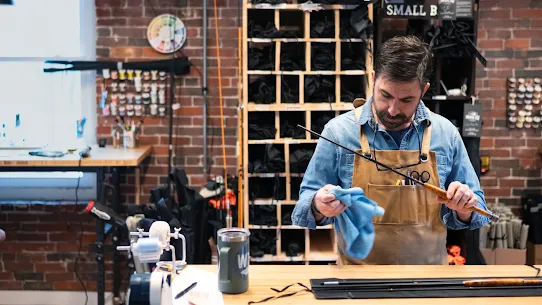
Jeff Davis was driving home cross-country after settling his late father’s estate–his dad’s fly fishing gear on the seat next to him. He thought about his father’s love for the outdoors, and the peace that came from fishing Maine’s scenic rivers. “Something resonated with me,” Jeff recalls. A business executive at the time, he began to rethink his path, wanting to inspire his own children to live a fulfilling life. He decided to honor his father’s memory, celebrate Maine’s fly fishing heritage, and “keep the art of the rodsmith alive.” His hobby of making small-batch fly fishing rods soon grew into Maine Fly Company, founded in 2018. “We believe the fly rod should be as unique as the angler,” says Jeff, who names each rod after a Maine river. When the company’s “Inspiration” video became a hit on YouTube, the media took notice. “Our website started going nuts when our story got out,” Jeff says. “We started to see the stars align.”
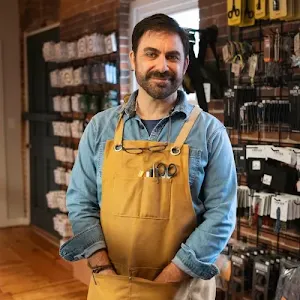
“Google Ads help us reach international regions to offset the local offseason and grow year round. They've been a huge part of our growth.”
Jeff uses Google Workspace tools to organize and share documents, images, and data with staff. He also began running Google Ads in 2019, to expand beyond New England to stay busy year round. “We wanted that national presence from inception, so we could have a four-season fly fishing business in Maine,” Jeff says. “With e-commerce, we can market globally with the click of a mouse. I’m able to reach hundreds of thousands of people that I couldn't access without Google.” Growing fast, he set up shop in a historic mill on the Royal River in 2022, hiring three employees. The company’s international presence has grown eightfold, with 40-percent year-over-year business growth. In 2024, he’s launching a second brand, Repurposed Waders, to collect and make soft goods from old waders. Jeff thinks his father would be proud: “Google tools will help us promote this new entity,” he says, “so we can have a greater environmental impact in the long run.”
Products
Seawicks Candle Company
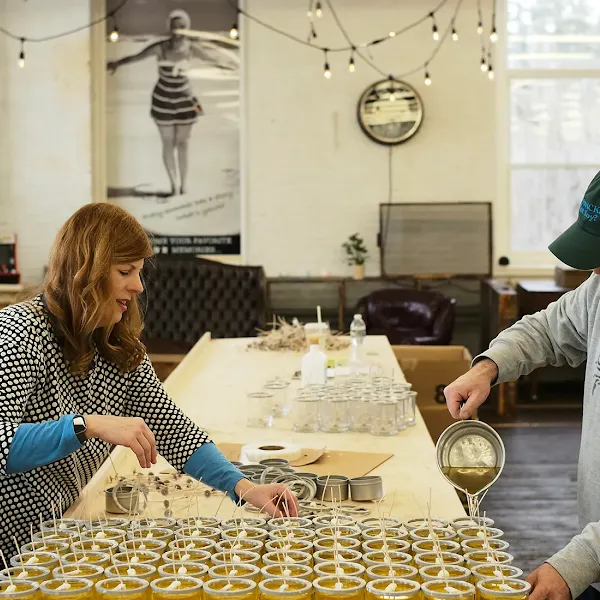
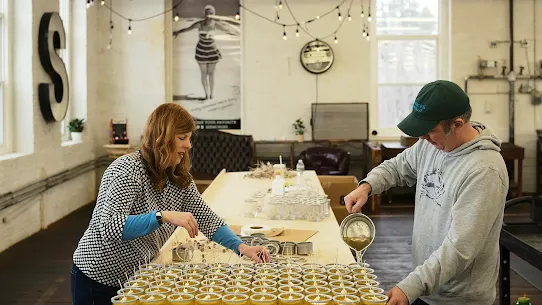
For Michael and Cara Gaffney, deep pine woods and the Atlantic Ocean smell like home. For years the couple lit candles during Maine’s long winter nights, but often felt disappointed by the lack of quality and fragrances. Taking a chance in 2011, they sold their old VW bus for $5,000 and began hand-making their own candles in a boathouse near their home in Edgecomb. The Seawicks Candle Company was born. Today the company makes high-quality candles with 100% American-grown soy wax, with delightful Maine-inspired aromas like Coastal Storm, Blueberry Fest, and Evening by the Fire. “Quality and craftsmanship are what set us apart,” says Michael, and Seawick candles are sold in over 300 retailers in the U.S., including L.L. Bean and Whole Foods.
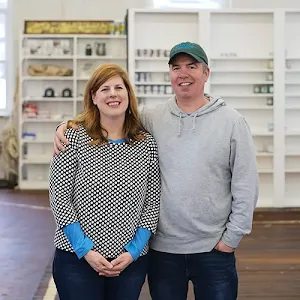
“Google [is] a huge platform and super efficient especially with our kids being in school, business wise, life wise, just a huge benefit.”
While they experienced retail success, online sales proved to be a bigger challenge. “When we started, we put our candles online and… nothing,” says Michael. “People want to smell candles before they buy them.” In 2015, Michael and Cara began using Google products to boost their online sales. They ran Google Ads to reach online shoppers using targeted messages that convinced them to try Seawicks candles, even without a sniff test. Google Analytics helped them figure out what worked best. “Cara uses it to track our metrics,” says Michael. “It details all the percentages of where the traffic is coming from in the regions that we're targeting.” The early results were good, and continue to get better: online sales increased another 32 percent from 2020 to 2021. With their added success, the Gaffneys are able to give back to the people of Maine, with donations to help support another local, family-owned business and groups such as Action For Animals. “Maine, it's just got such a cool vibe,” says Michael. “We've been making candles the same way for the last 10 years, and we really want to keep it going and continue to do good things.”
Products
Sea Bags
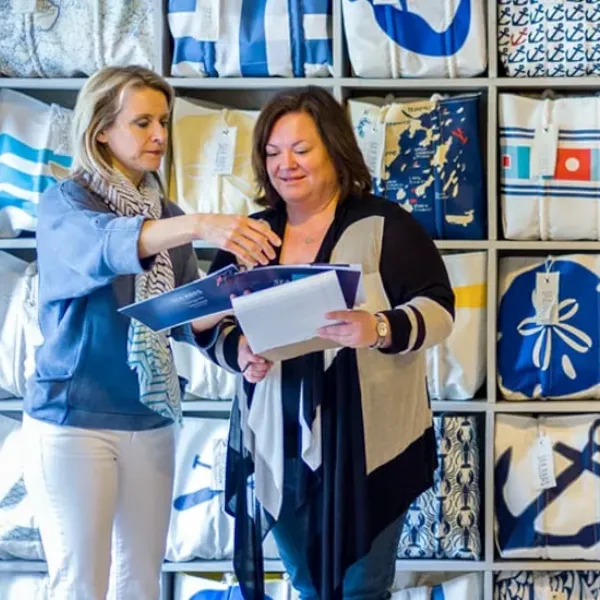
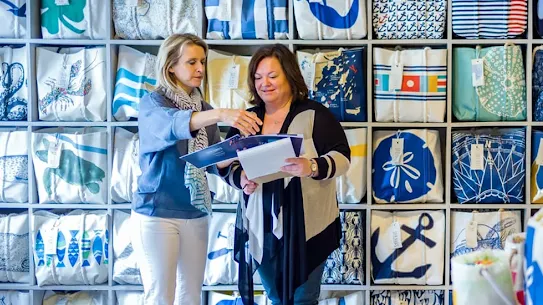
Sustainability is sewn into the very fabric of Sea Bags’ business, from the products they sell to the processes they use to make them. Since their founding in 1999, the Portland-based company has kept nearly 600 tons of retired sails out of landfills by transforming them into nautically inspired tote bags and accessories. They have also created 100 jobs for local sewers, artists, and craftspeople. “Manufacturing here and sourcing materials locally are the cornerstones of our business,” explains President and COO Beth Shissler. “Maine has a rich history in the cut and sew industry, and we’re passionate about bringing it back.”
“Digital marketing has gotten us the most efficient results and allowed us to grow rapidly in a short period of time.”
A major engine of Sea Bags’ growth is their online business. “It’s grown about 500 percent over the past five years,” says Vice President of Marketing and E-commerce Laura Hnatow. “And Google has definitely been a part of why we were able to achieve that.” The company uses AdWords, Google’s advertising program, to market their bags to customers looking for eco-friendly fashion statements. “AdWords brings in one of the largest percentages of new users to our site, and a lot of these customers are visiting more pages per session than those from other channels,” she shares. They also use Google Shopping campaigns and YouTube ads to visually showcase their products across the web. And with G Suite tools, such as Gmail, Docs, and Drive, “we’re able to scale our operations as we grow,” Laura notes.
With over 18,000 online orders and half a million unique visitors to their website annually, Sea Bags is preparing for new horizons in 2018. They plan to pursue international markets and are opening four more retail stores along the East Coast, in addition to the 13 currently in operation. Yet as they expand, their greatest focus continues to be at home. “We always talk about the ripple effect of making our products locally,” Beth says. From designers to manufacturers, Sea Bags proudly supports Maine jobs across the board, and aims to create a brand that Beth hopes will “stick around for generations way past us.” To echo the words of their mission, “Every sail has a journey. At Sea Bags, we make sure that journey never ends.”