-
$13.7B of economic activity
In 2025, Google helped provide $13.7 billion of economic activity for tens of thousands of Connecticut businesses, nonprofits, publishers, creators, and developers
-
244,000 Connecticut businesses
More than 244,000 Connecticut businesses used Google’s tools at no cost to receive phone calls, bookings, reviews, requests for directions, or other direct connections to their customers
-
$7M+ of Ad Grants to nonprofits
In 2025 alone, Google.org provided more than $7 million worth of donated search ads to Connecticut nonprofits through the Google Ad Grants program


$13.7B of economic activity
In 2025, Google helped provide $137.3 billion of economic activity for hundreds of thousands of New York businesses, nonprofits, publishers, creators, and developers
244,000 Connecticut businesses
More than 244,000 Connecticut businesses used Google’s tools at no cost to receive phone calls, bookings, reviews, requests for directions, or other direct connections to their customers
$7M+ of Ad Grants to nonprofits
In 2025 alone, Google.org provided more than $7 million worth of donated search ads to Connecticut nonprofits through the Google Ad Grants program
Featured businesses
RDH Software
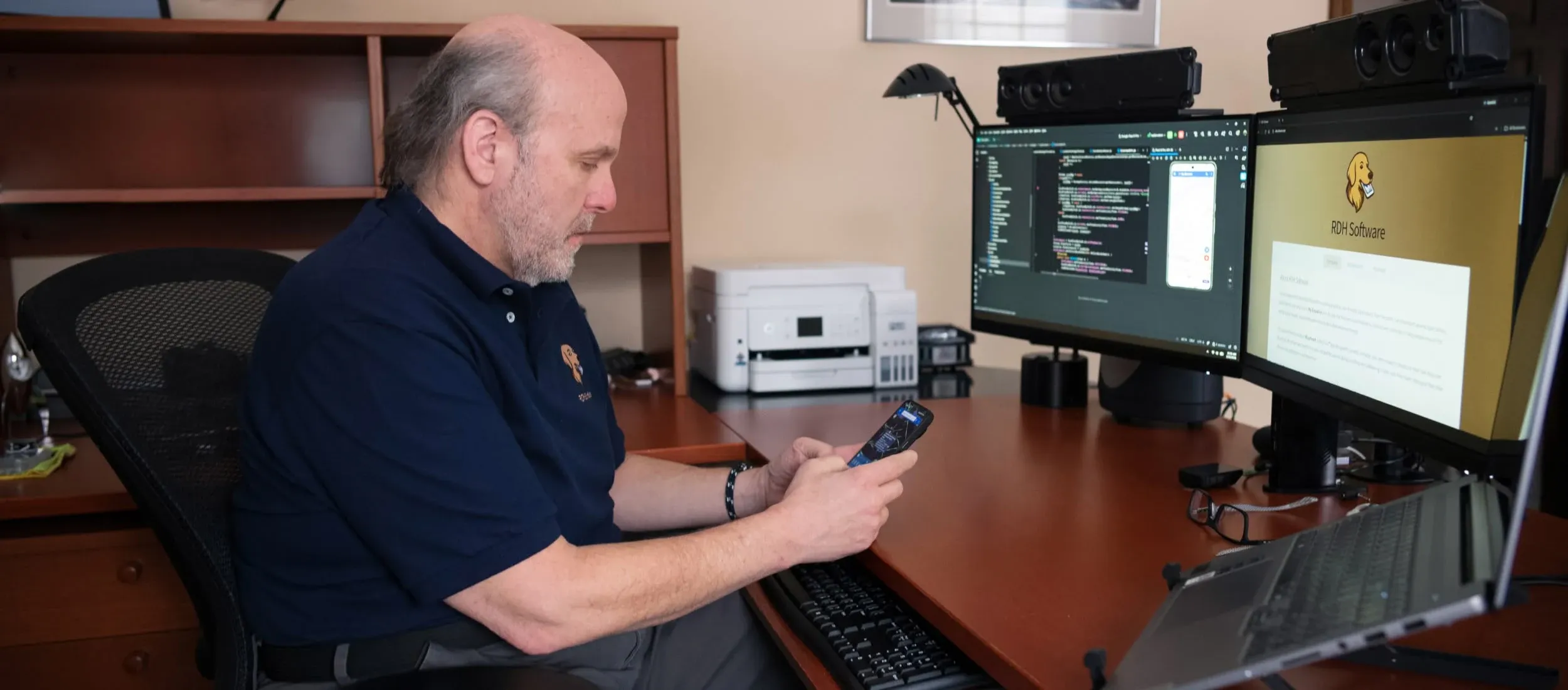
As a road cyclist, Mike Falk launched RDH Software and his flagship app, My Elevation, in 2014. “I realized my phone's ability to give good elevation data was pretty poor, so I wrote a little program to correct that … It was just a side interest, but it inspired me to quickly go on and create My Elevation,” he says. Now, with more than 3.2 million downloads from 100-plus countries, My Elevation lets cyclists, hikers, and tourists explore elevation conditions around the globe. It also offers users a list of nearby areas and attractions to explore. Mike relishes the opportunity RDH Software gives him to create. “I’m still fundamentally a maker, so this lets me satisfy my desire to get my hands in things,” he says.
“The Play Store gets my app to a hundred countries and over 3 million people.”
Mike distributes My Elevation through the Google Play Store, where the app has earned an average of 4.7 stars from more than 25,000 user ratings. “I know how to build a good app, but the distribution part would’ve been really hard,” Mike explains. “The Play Store is what it comes back to. It’s a trusted platform for people.” Inside the app, Mike uses Google Cloud functions to serve critical elevation data to the app. “They’re extremely affordable, easy to maintain, and pretty lightweight,” he says of the functions. “They’ve really become core infrastructure for me.” And Gemini is Mike's coding assistant, helping him write specific functions, debug complex error reports, and critique code. “There are lots of little uses where it’s a big time savings,“ he notes. Mike advises other small business owners “to lean into AI and learn it, because it’s a ‘force multiplier.’ Someone with base knowledge can really excel with it.” Even with that force multiplier, Mike is still in awe of what he’s been able to accomplish. He says, “The idea that I could be upstairs in my house, write an application, and then distribute it to the world… it’s life changing.”
Products
Our Green House
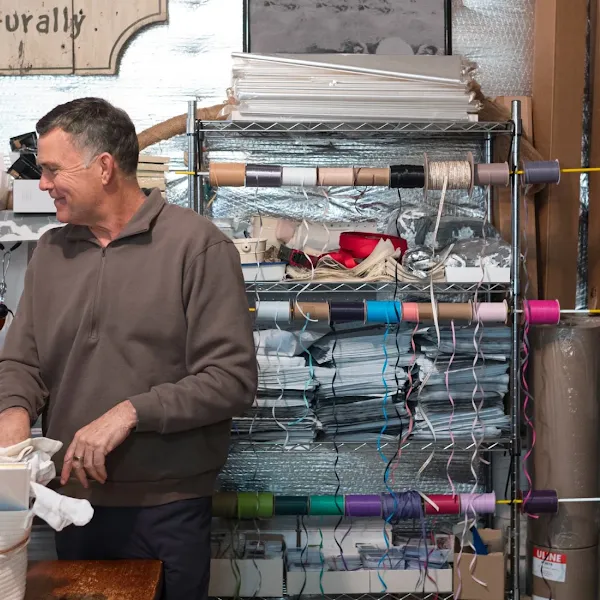
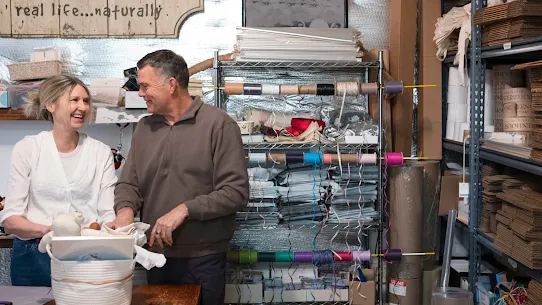
Mike and Pam Davis, founders of Our Green House, believed in “green living” before it was called such a thing. In the 1990s, they ran an environmental assessment service in New York City, testing real estate for “mold, lead paint, and other hazards,” notes Pam. Once they had children, Pam became more aware of toxins in cleaning products and began seeking out organic alternatives. “My husband said, ‘You should start selling what you believe in,’” Pam recalls. So in 2003, they opened a small shop, selling non-toxic cleaners, natural toys, and organic baby clothes. In 2005, they launched a website featuring organic gift baskets; it did so well they decided to pivot to e-commerce. By then, many more organic merchants had come online. “We decided we had to rebrand,” Pam says.

“Google Analytics allows us to measure site traffic from all channels and identify which ones drive our business.”
That’s how Our Green House evolved into a go-to place for personalized, eco-friendly gift baskets that give back. Customers shop for artisanal, Fair Trade goods for baby, pet, him, and her, as well as corporate gifting. “Our tagline is Gifts that Give,” Pam says: Five percent of purchases goes to the shopper’s choice of charities, such as endangered animal causes, wish-making charities, or environmental nonprofits. Google Ads helps them reach their eco-conscious audience; as ad impressions have risen, so have their revenues, which shot up 203 percent from 2021 to 2023. “We use Google for everything,” says Pam. She connects with her whole team–from designers to international vendors–on Google Workspace, storing and sharing product lists, designs, and more. Google Analytics helps them decide where to focus their advertising, and also shows how customers journey through the website. Now they use AI-powered Performance Max campaigns across Google channels to grow even more–and do a world of good. Says Pam, “Google has allowed us to give back in ways that we never thought we could.”
Products
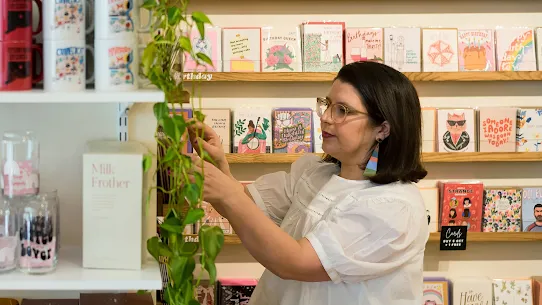
Hartford Prints!
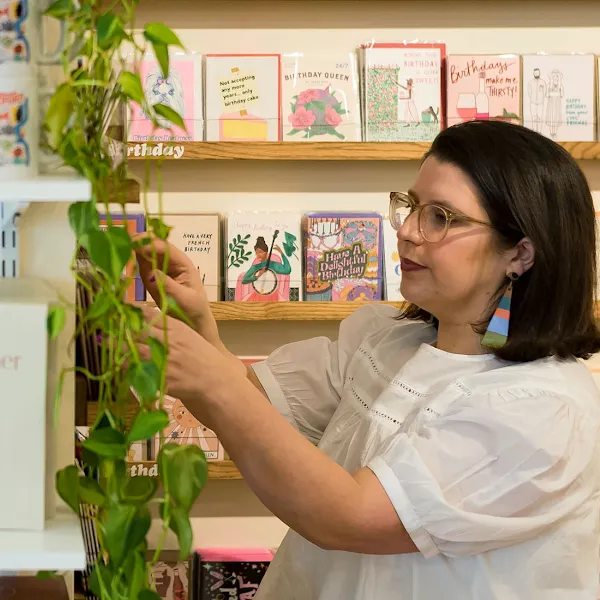
Hartford Prints! has gone through a few iterations in its 14 years of life: What began as an educational space to teach high school students letterpress printing morphed into a custom stationery business and, finally, a gift shop. Run by Rory Gale, the shop still offers stationery, but they’ve added home goods, accessories, and apparel, much of it Hartford-themed. “It’s about giving people from Connecticut a way to show pride for their state,” Rory says. “So much of what we do is about showing love for this place that raised us.” Local customers returned that love by helping Hartford Prints! emerge from the uncertainty of the 2020 economy stronger than ever. They’ve seen 30 percent month-over-month growth since reopening, which allowed them to launch a second location in 2022 at Bradley International Airport.
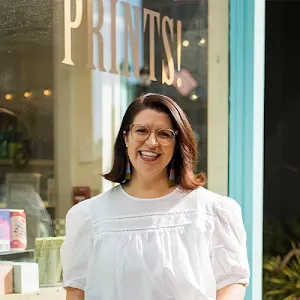
“Our Google Business Profile is the first thing that people see, so having those reviews is really handy.”
Digital tools have played a part since day one, particularly Google Business Profile, which has directed over 2,500 people to the Hartford Prints! website in the last six months. Google Ads helps Rory reach the right audience, and Google Analytics helps her understand her customer base to tweak marketing and increase conversions. “We were having a little bit of brand confusion as a gift store from people calling about printing services,” she explains. “I put new keywords in my Google Ads, and it’s really helped us find our customers. Now that I have all those keywords in place, we're coming up in Google Search.” Rory now looks forward to sharing her success with new neighboring businesses in what was once a struggling downtown. “We've been an island all by ourselves, and now all these other artists and small businesses are going to be able to open,” she says. “It takes small businesses and the community to support them to bring a downtown back to life, and that's what we're seeing here in Hartford. It's magical to be on the other side of it.”
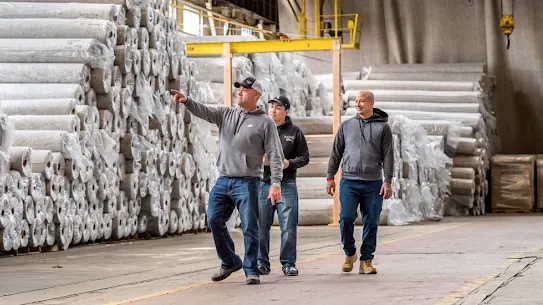
Rug Pad USA
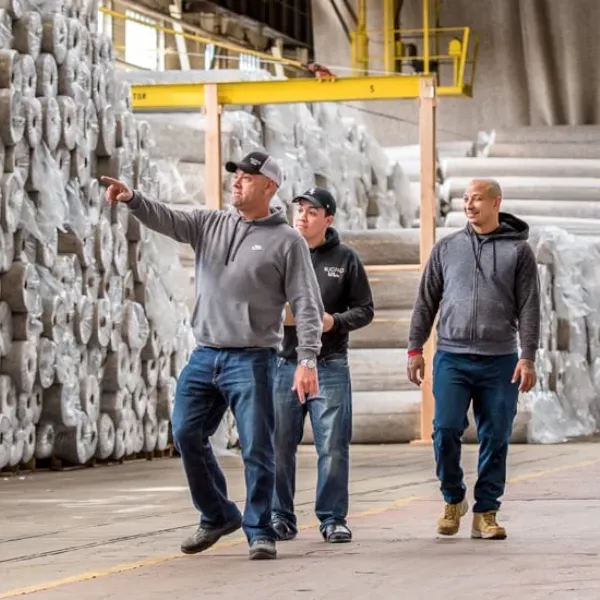
Rug Pad USA manufactures padding used to keep area rugs in place. As their name suggests, all of their products are made in the U.S. “This gives us full control over what goes into them,” says Co-founder and CEO Will McDonald. “We use high-grade materials, such as 100 percent natural rubber, which not only grips better, but also lasts longer, stays plush, and doesn’t damage your floors.” Founded in 2013, Rug Pad USA began as a small operation working out of a vacant retail space. Will and his business partner, Karl Froehlich, spent nights personally cutting and shipping each order. They brought on their friends, Anthony Liso and John Drozdz, shortly thereafter, and together the four-person team grew the business to a 1,600-square-foot facility, then 8,000, and eventually to their current 220,000 square feet of warehouse space. Their business is “super niche and not glamorous,” describes Will, “and that’s why we like it.”
“The web has had a huge impact for us, and it’s amazing to see how much we’ve grown. I definitely get fired up over it!”
As a direct-to-consumer e-commerce business, Rug Pad USA invests heavily in their online presence. They are frequently the number one search result for “rug pads” on Google. The company also uses AdWords, Google’s advertising program, to reach customers nationwide who are looking for durable and sustainable rug pads. “AdWords lets us scale our business. Nearly 40 percent of our online sales come through it,” says Will. Beyond search and ads, the team uses Google Analytics and G Suite tools, such as Gmail, Docs, and Drive, to manage their day-to-day operations.
Rug Pad USA ships roughly 2,000 packages a day and over 700,000 a year. In the last two years alone, they have hired around 60 people, mostly manufacturing professionals, to keep up with demand. The company’s growth has been positive for the broader community as well. The 19th-century buildings they occupy in Ansonia and Bridgeport had been vacant for years prior to their opening. Being able to infuse the cities with a renewed sense of energy is an experience that Will can only describe as “incredible” and “very humbling.” And with plans for steady growth, he hopes to continue spurring excitement for years to come. “We’re always looking to grow, but we want to do it ethically and at a sustainable pace,” shares Will. “That being said, I think we have a shot at doubling within the next few years.”
Products
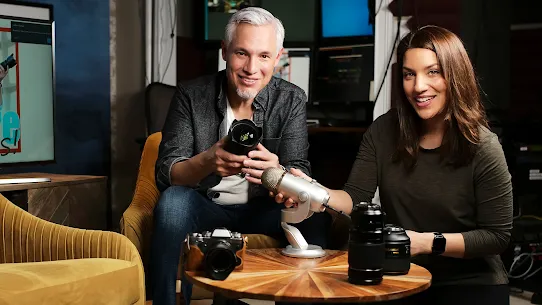
Tony & Chelsea Northrup
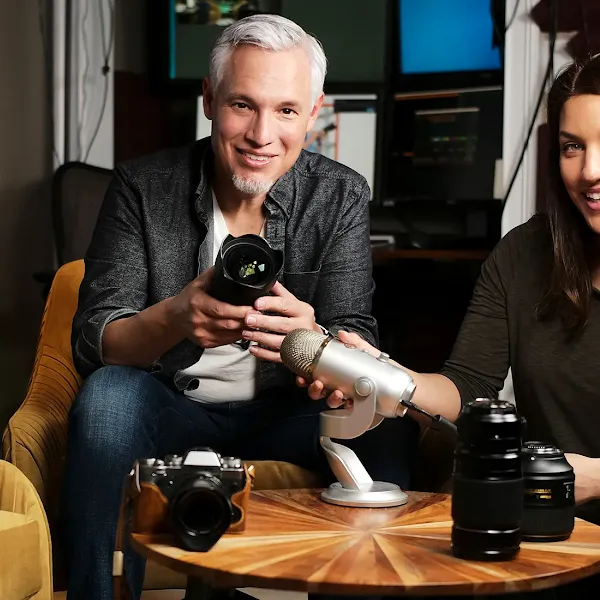
When Tony and Chelsea Northrup published their first digital book, How to Create Stunning Digital Photography, they didn’t expect that it’d be a #1 bestseller—or that they’d become full-time YouTube creators. But when they started creating educational videos to supplement the now 29 books they’ve published, they knew they needed a YouTube channel. And that’s where they’ve shared videos that combine helpful tips, tutorials, product reviews, and humor—amassing over 1.44 million subscribers along the way. And their subscriber community is exactly that: A true community. “When we hit our one-millionth subscriber, our community created a video about the effect we’d had on them. It meant so much,” says Chelsea. To keep their followers engaged, they turned to Google Trends and their YouTube Analytics to get a sense of what was working.

“We would never be where we are without Google and YouTube— both in terms of our own success and the impact we’ve had on others.”
But when COVID-19 hit, Tony and Chelsea had to shift their focus—fast. Because more than half of their audience comes from small businesses, COVID-19 not only impacted Tony and Chelsea, but it also affected their subscribers. After an initial dip in views and book sales, their audience returned with an increased appetite for content: “More people are working from home and taking their businesses digital,” Tony explains. “As a result, every business has had to become more savvy with photography—and we’ve been there to support them.” To determine what content to produce, Tony and Chelsea still rely on their own instincts, combined with data from Google Analytics and Trends. But when it comes to editing their videos, they can no longer hand over a hard drive to a team member. “We rely entirely on remote video editing using Google Drive now,” Tony says. And though their workflows are changing, the relevance of their industry isn’t, which comes as a great relief to the pair. “There might be a shift in what people are interested in—photos or video—but businesses need both more than ever,” Chelsea says. “So we’ll just be keeping an eye on the relevant trends and shifting our focus accordingly.”